 14 hours ago
Rahat Maker/Shutterstock
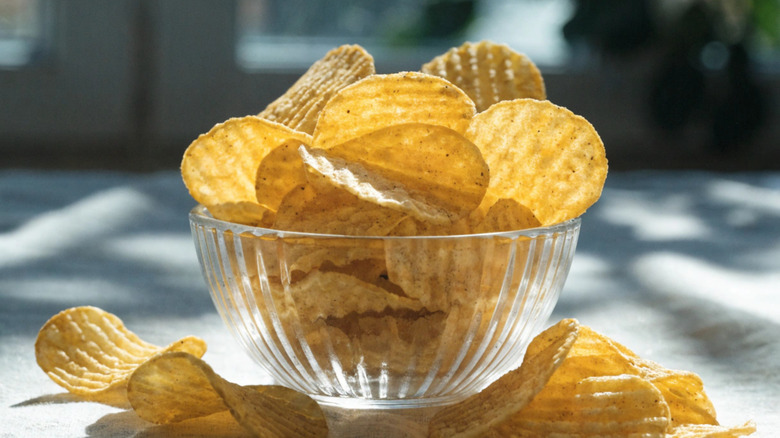
It's hard to deal with the high price of anything at the grocery store recently, but the cost of potato chips feels like one of the most inexplicable. While they aren't a necessary staple potato chips normally have the appeal of being cheap, as most of the manufacturing cost of the relatively simple product comes from raw materials and distribution, and potatoes are about as cheap as food gets. Yet over the past 10 years the average price of a bag of chips has jumped 48% to an average of $6.32 for a 16-ounce bag. Those prices have many Americans turning to store-brand potato chips, but why is such a basic product surging in price anyway? Well, a lot of it has to do with climate change.
Potatoes are a crop that requires cool weather for much of the year. Ideally the soil should be about 60 to 65 degrees Fahrenheit, and if the weather gets above 85 degrees for too long, the plant can die. Potatoes also require consistent moisture and are sensitive to extreme weather, and both the heat and extreme weather are getting worse due to climate change. Pennsylvania, a state where there are many potato chip factories that use local crops, has had record heat in recent years. Forty years ago, unusually hot nights that could slow potato growth happened 35 days a year on average. Now it's more than 50 days each year. And in Idaho and Washington, the nation's largest potato producers, extreme weather has become more common, and drought has hurt the potato crop.
Climate change and the rising cost of cooking oil
Justin Sullivan/Getty Images
While more expensive potatoes are a huge part of the equation, there is another big input into making potato chips: cooking oil. Frying accounts for around 35% of the normal production cost of potato chips, and the cost of cooking oil has skyrocketed even more than other ingredients. The average price of different vegetable oils doubled from 2020 to 2025. Two major sources of cooking oil for potato chips — sunflower and canola — have also both seen big disruptions. The war in Ukraine has affected nearly 80% of the world's supply of sunflower oil, while drought has hurt the supply of canola oil in Canada. Even cooking oils less used for making potato chips, such as palm oil, can cause price increases, as a decrease in palm oil exports from major producer Indonesia has helped spike the price of other cooking oils as replacements.
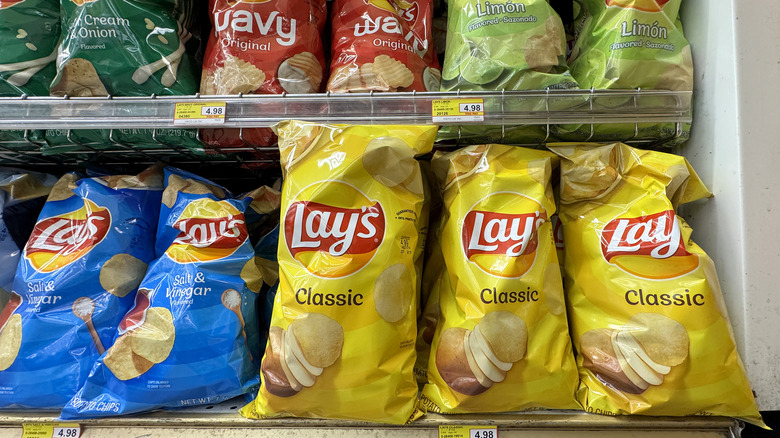
However not all concerns over pricing are in vain. As customers have responded by shifting away from the most popular potato chip brands, some companies are starting to realize the tolerance for higher prices may not be unlimited. PepsiCo recently announced that it was lowering the recommended price of many of its chips, including Lay's and Doritos, by 15%. So while there are real forces pushing potato chip prices higher, the force of customers closing their wallets can still be powerful, too.